From Talent to Infrastructure: The DAYKWION Effect
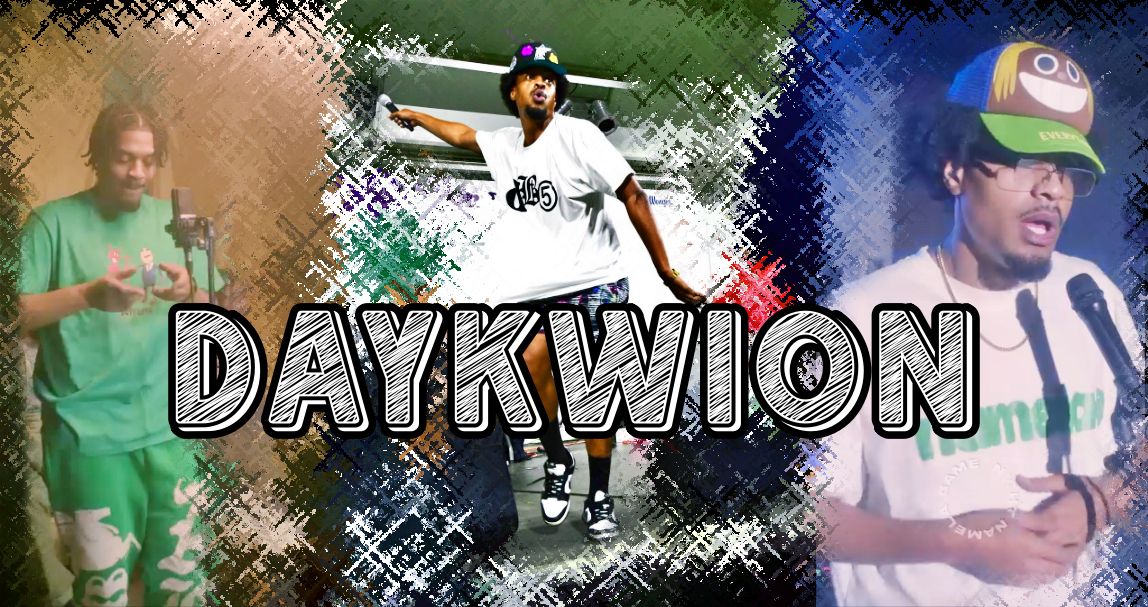
What does it really mean to be more than an artist?
We’re already human. Already creative. Already wired with imagination, emotion, and expression. Some people are simply gifted in ways that feel louder, sharper, or more refined than others. But being talented and being transformative are two different things.
So let’s come back to the real question.
What does it mean to be more than an artist?
Yes, artists deliver messages. Yes, they influence culture. Yes, they soundtrack our lives and give language to feelings we can’t always articulate. But in Connecticut — a state still carving out its definitive voice in the global music conversation — being more than an artist means something deeper.
It means you build systems, not just art.
It means you don’t just create moments — you create machines that generate moments over and over again.
Being more than an artist means:
- You own your platforms instead of depending on borrowed ones.
- You control your business instead of letting it control you.
- You understand publishing, branding, visuals, marketing, and community.
- You create opportunities not only for yourself, but for others.
- You think like a visionary architect, not just a performer chasing applause.
That level of thinking is rare. It requires discipline. It requires ego management. It requires long-term strategy in an industry obsessed with short-term attention.
There are only a handful of people who truly operate at that level. And one of them is DAYKWION.
DAYKWION is not just making music — he’s constructing infrastructure.
He produces beats, shaping sound from the ground up.
He mixes and masters records, ensuring the final product competes sonically anywhere in the world.
He directs and produces music videos, translating audio into visual storytelling without compromising his vision.
That kind of vertical control is powerful. It eliminates dependency. It shortens timelines. It preserves authenticity. It’s ownership in its purest form.
But it doesn’t stop there.
He expanded beyond music into product creation with Namela, an all-natural, slow-burning rice paper brand. That move speaks volumes. It shows brand awareness. It shows lifestyle integration. It shows understanding that artistry today is not just about streams — it’s about ecosystems.
Then there’s the community work.
Hosting freestyle game nights may sound simple on the surface, but it’s foundational. It creates physical space for artists to sharpen their craft. It builds confidence. It fosters collaboration. It keeps creativity alive in real time, not just online. That’s cultural cultivation.
And perhaps most importantly, there’s the “Dummin” movement — more than just a sound. It’s a dance style. It’s an energy. It’s a signature. It’s identity. Movements are what separate artists from moments. When a sound becomes a recognizable wave, when a dance becomes embedded in the local pulse, that’s cultural authorship.
Connecticut has talent — plenty of it. But talent alone doesn’t elevate a region onto the global stage. Infrastructure does. Movements do. Leaders do.
States like New York and cities like Los Angeles didn’t rise because of one hit record. They rose because artists built systems, studios, labels, collectives, and communities that fed each other. They thought beyond themselves.
That’s why Connecticut needs figures like DAYKWION.
Not because he’s the only talented artist.
Not because he’s chasing clout.
But because he understands multiplication.
When one artist builds a system, ten others benefit.
When one artist controls production, others learn independence.
When one artist starts a movement, culture has a flag to rally around.
Being more than an artist isn’t about ego.
It’s about impact.
It’s about sustainability.
It’s about legacy.
And in a scene that’s still defining its global voice, that kind of mindset isn’t just valuable — it’s necessary. Thank you DAYKWION
Follow DAYKWION HERE

Maximizing Mutual Benefit: Understanding Gin T.V Podcast's Approach to Guest Collaborations
